

Agora
The Agora is Vivatopia’s space for debate and encounter. Through essays and interviews, it brings political imaginaries into conversation and into tension with one another. Looking beyond established ideological labels, the Agora examines the deeper assumptions and visions of the future that shape contemporary political projects. Its aim is not to produce consensus or decide in advance which future should prevail, but to create a space where ideas can be tested, unexpected affinities and conflicts can emerge, and the range of futures we are capable of imagining can expand.
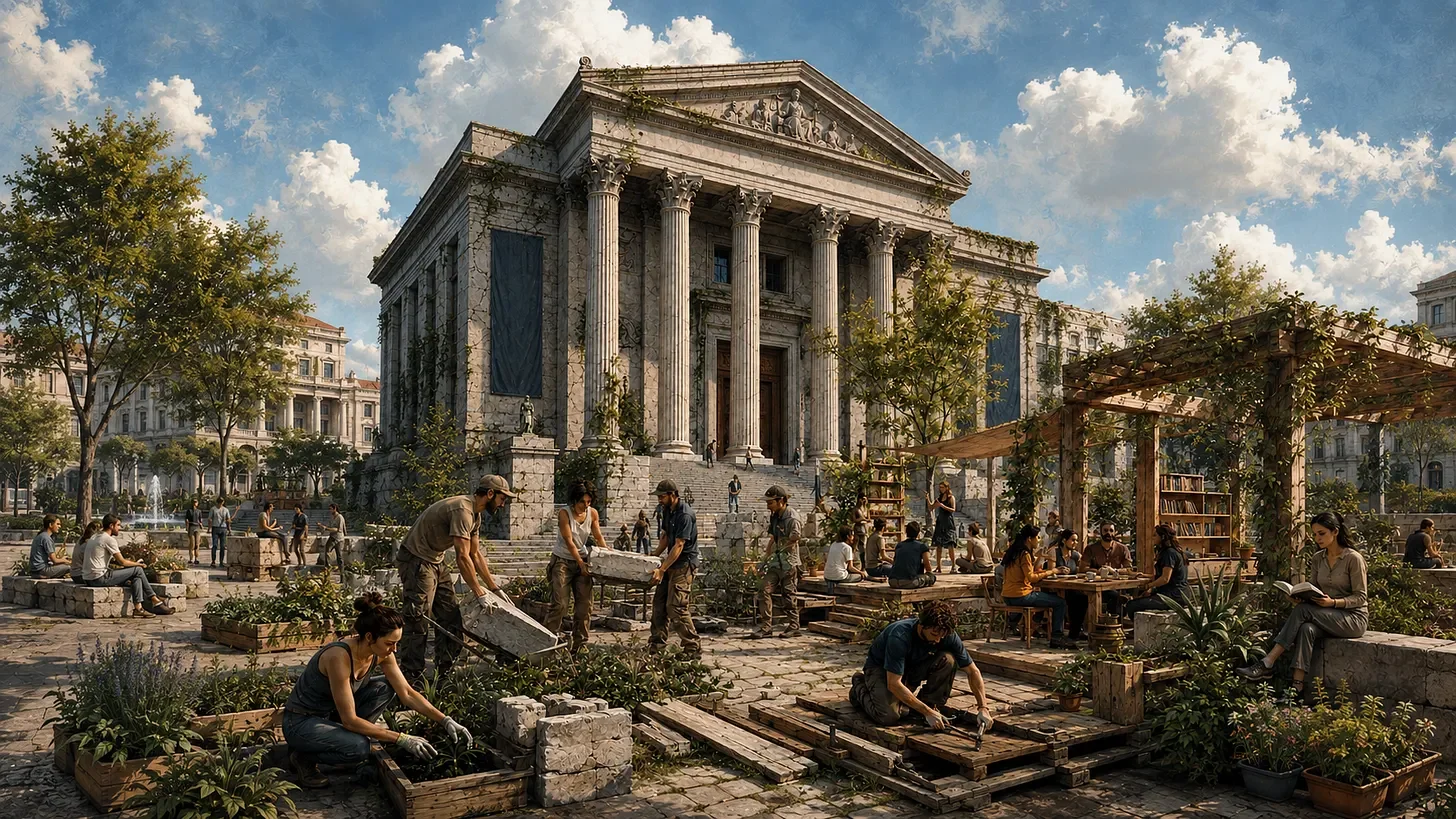
Four Steps Liberalism Would Need to Take to Reinvent Itself
Embrace ideological competition, deep institutional transformation, a post–homo economicus vision, and a richer moral language.

When Reaction Becomes Avant-Garde
Clavicular, Looksmaxxing, and the Fashioning of Hierarchy
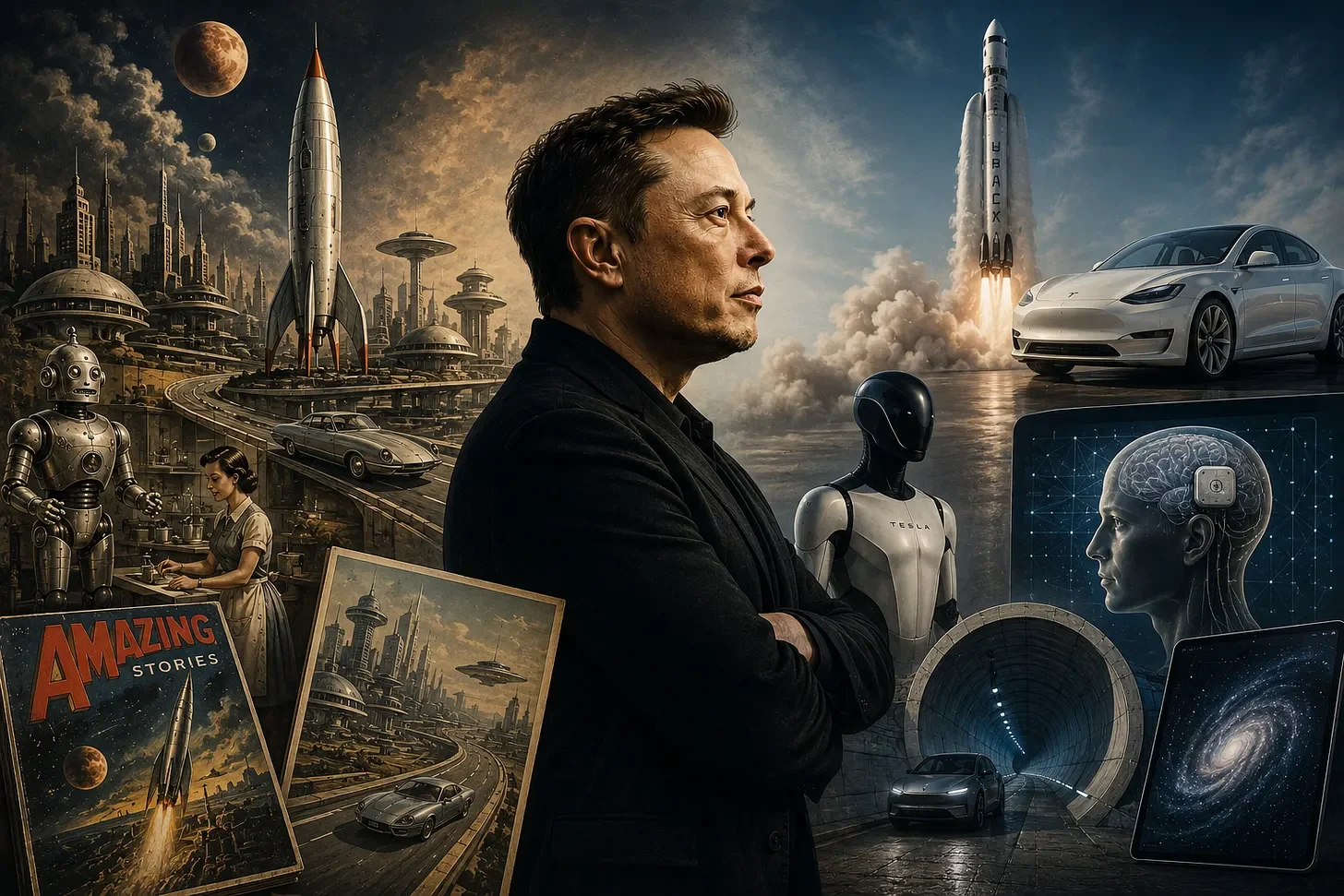
The Politics of Inherited Future
Elon Musk is often described as the man inventing tomorrow. In reality, it would be more accurate to say that he decides which of yesterday’s tomorrows finally gets built. His originality lies less in imagining new futures than in turning twentieth-century science fiction imaginaries into technological reality.

A Fully Furnished Utopia
Over the past decade, a few thousand Westerners have relocated to Russia, convinced it has preserved what their own countries have abandoned: traditional families, public Christianity, clear gender roles, and a state willing to defend them. In 2024, the Kremlin turned that aspiration into policy with a visa aimed explicitly at foreigners who reject the “neoliberal” trajectory of their own societies.
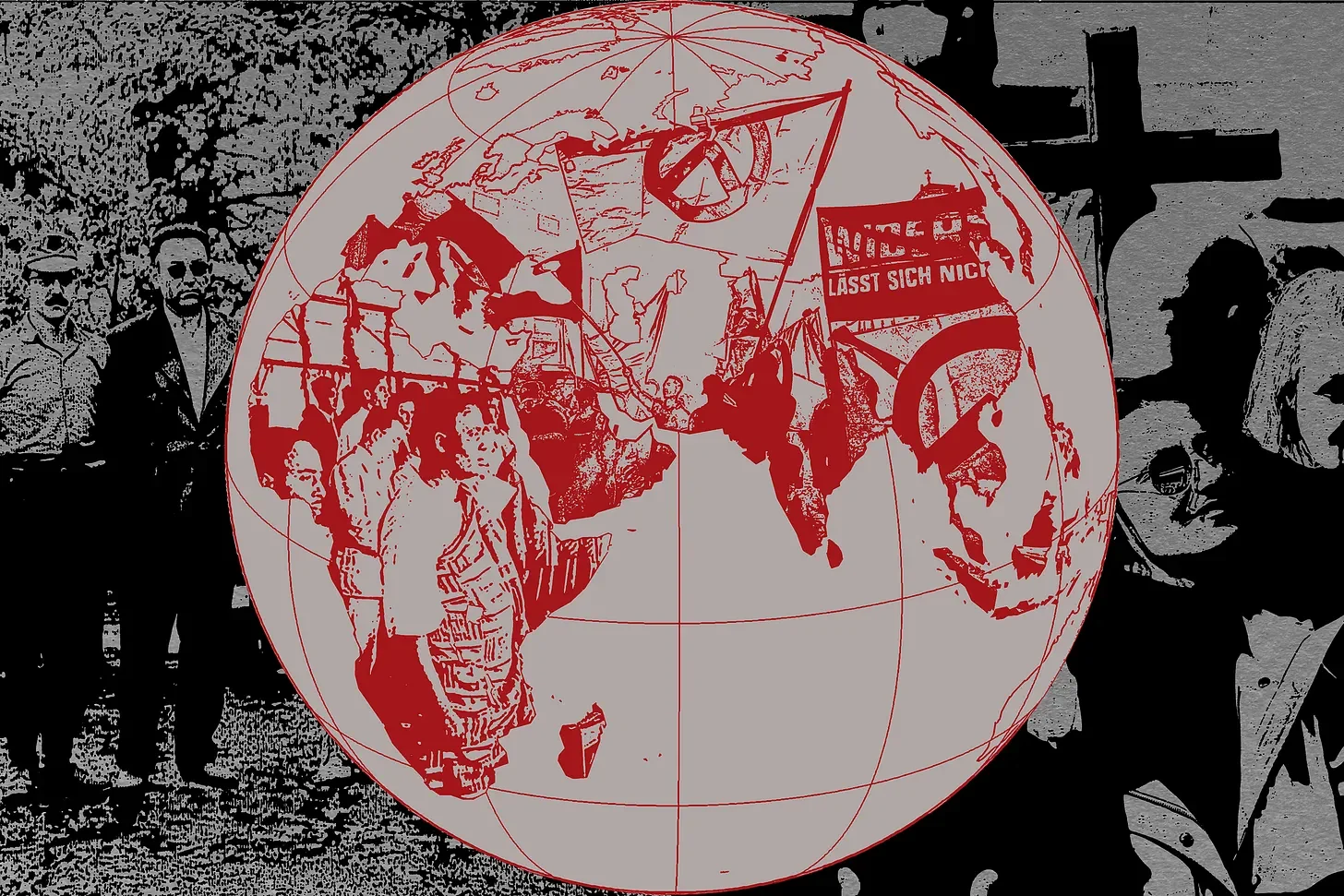
The Anticolonial Right, or How the Language of Liberation Has Been Captured
The grammar of global politics has undergone a structural shift. The language of anticolonialism, that is the right of peoples to determine their own futures, is increasingly being wielded by political forces with very little in common with the anticolonial struggles of yesteryear. What is emerging, across these different contexts, is a coherent political formation that deserves its own name: illiberal anticolonialism.
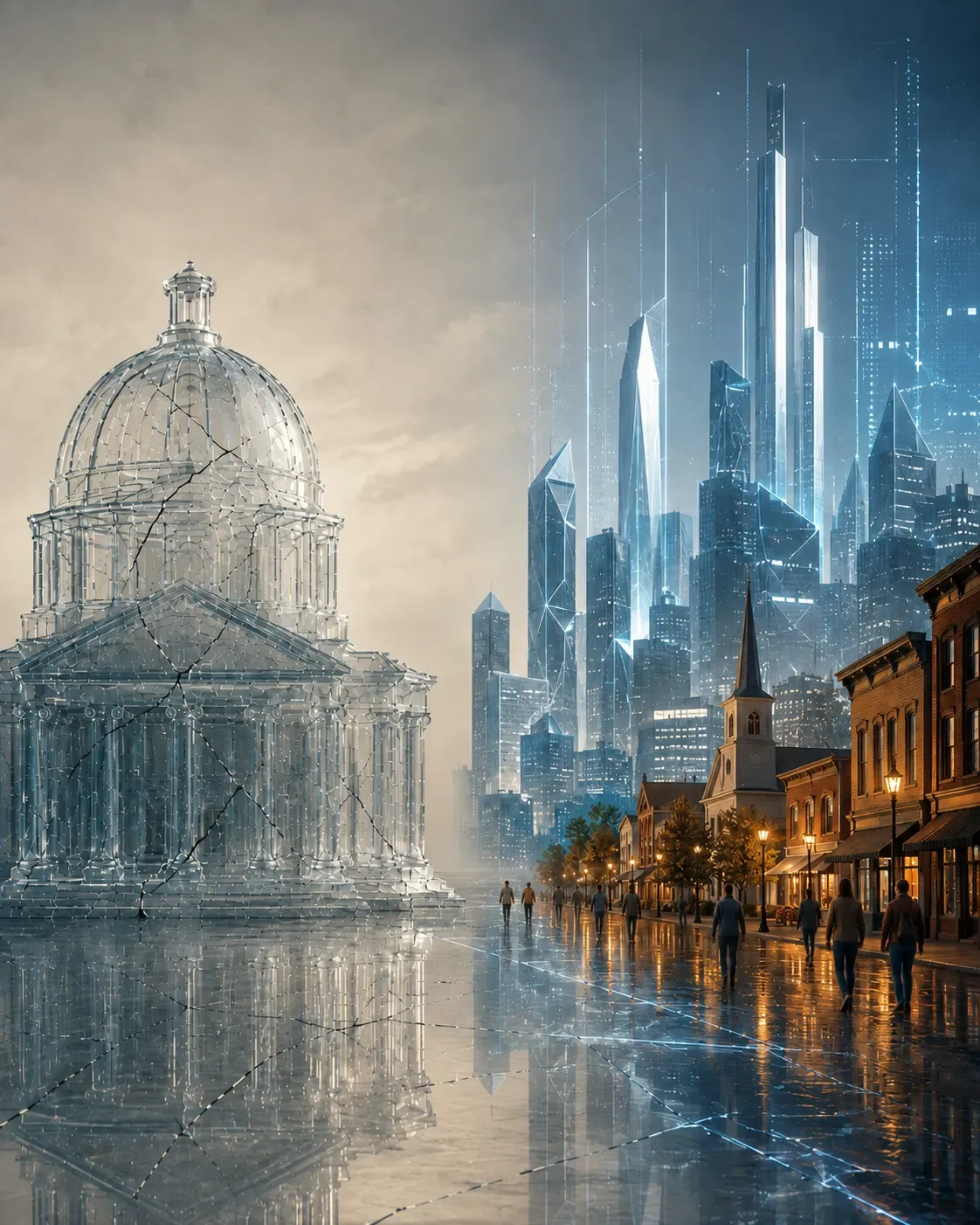
Liberalism Is Losing the Imagination War
The central argument I will be pressing across all my panels is one that many liberals find uncomfortable: the ideological challenges to liberalism are not all the same, and treating them as if they were is a mistake with real political costs.
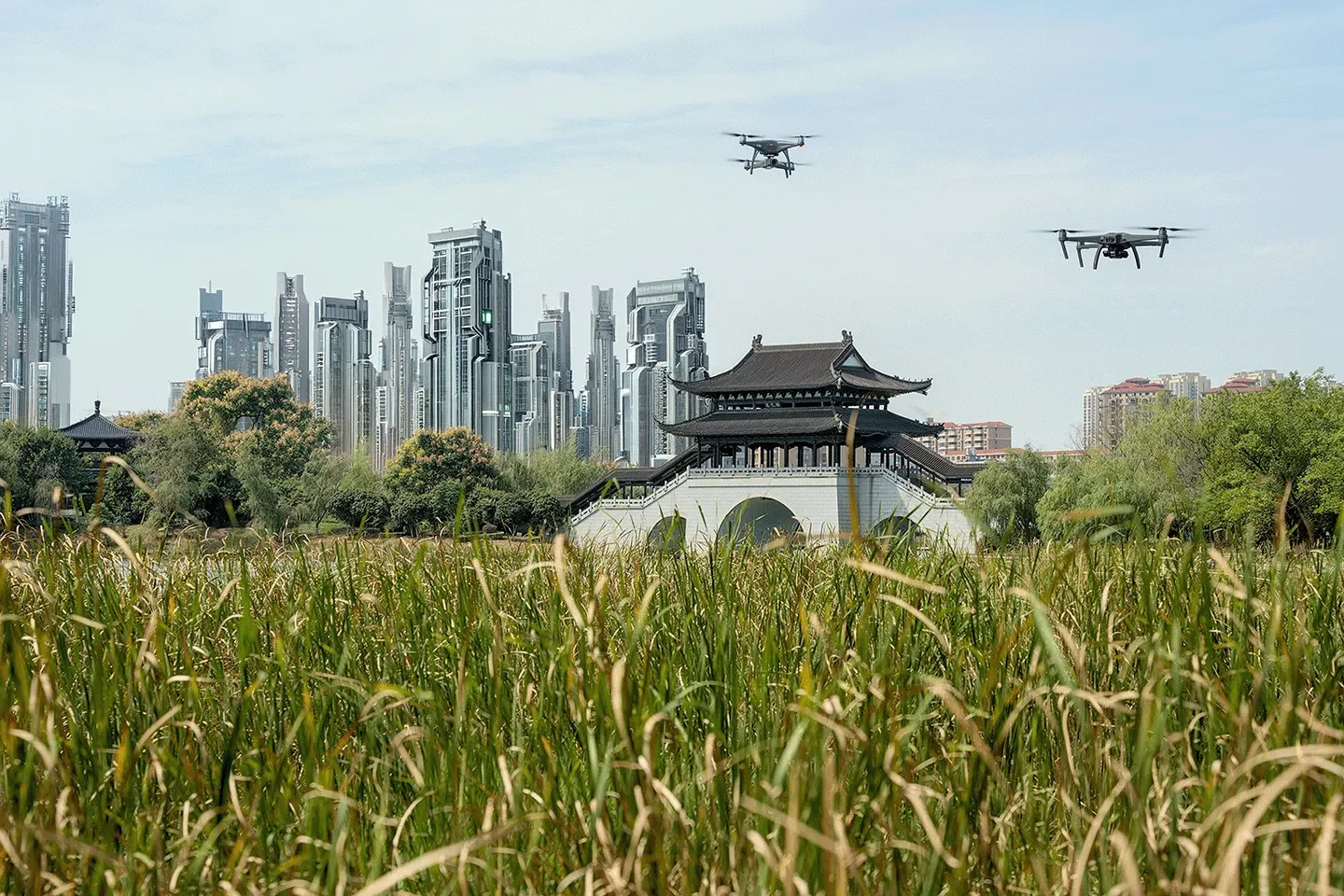
China’s Civilizational AI Project: The Attempt to Govern Nature and Code
The Chinese Communist Party increasingly presents ecological civilization and AI-driven governance not as separate policy domains but as parts of a single civilizational project: a political imaginary in which environmental sustainability and technological control are fused into a coherent vision of modernity. This imaginary extends further, incorporating an emerging robotized society framed as the long-delayed fulfillment of a socialist promise.It All Begins Here
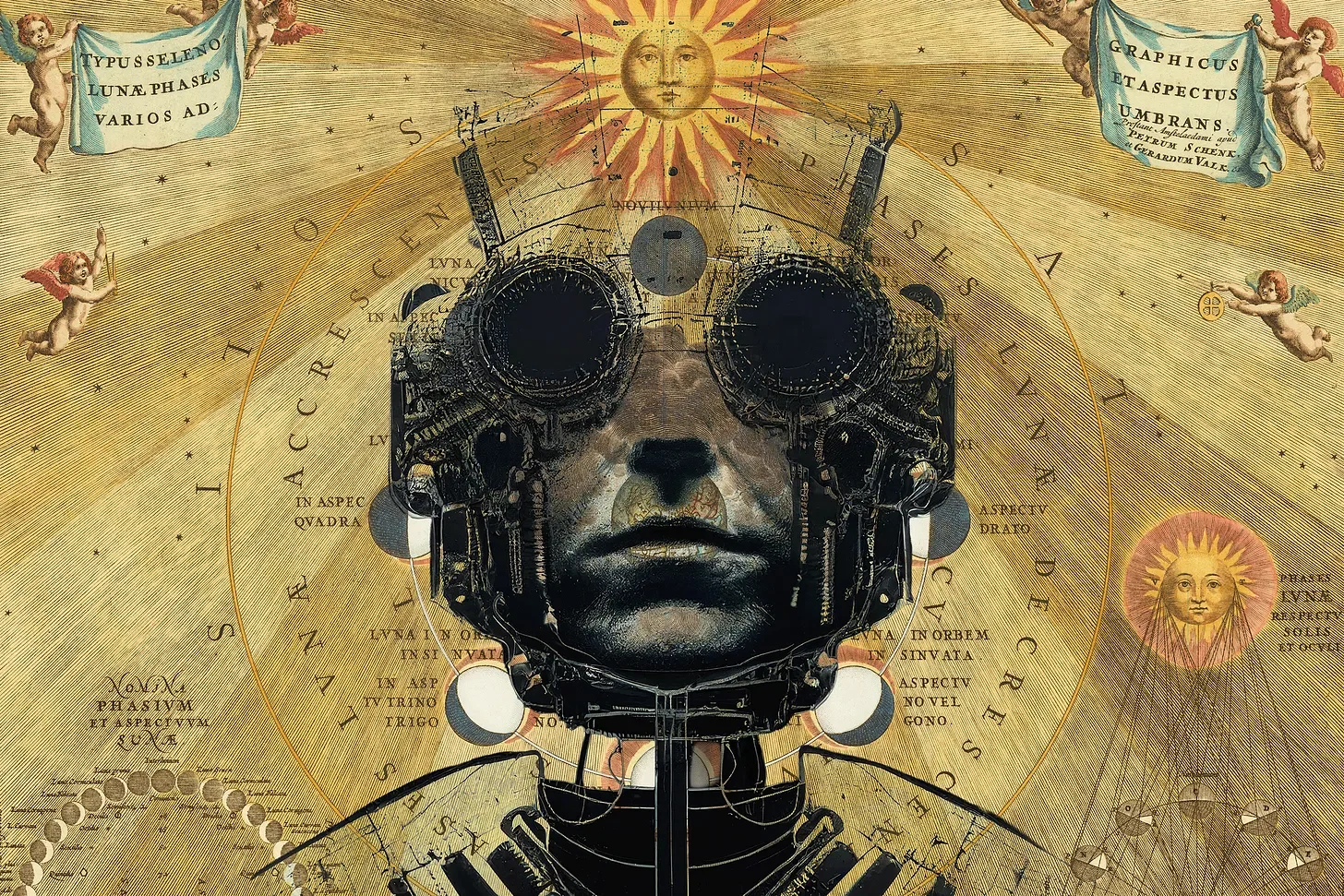
The Russian Philosophy That Could Rethink the Conservative Tech Debate
For many thinkers on the American postliberal right, transhumanism represents the philosophical endpoint of liberalism: a world where human beings engineer themselves without limits. Yet if conservatives reject this future, they still face an unresolved problem—what kind of technological future should they imagine instead, and could the answer come from an unexpected place: Russian cosmism?

The Future, Again
We are, today, in the midst of a crisis of political imagination. It is not an isolated crisis but rather bound up with several others. Most potently, the crises of capitalism and hegemonic liberalism. We are also at the end of a series of ends: we are at the end of the End of History, which itself marked the end of mass politics and genuine ideological confrontation.

Socialism with a Robot's Face: Technosolutionism and the Future of Democratic Politics
The CCP’s core assertion is that the gap between ecological aspiration and reality is, at bottom, an information problem. If the state can know the state of the environment in real time, the carbon level, and the cadre’s compliance with ecological norms through data collection and treatment, then the friction between intention and reality that democratic politics endlessly generates would simply resolve.